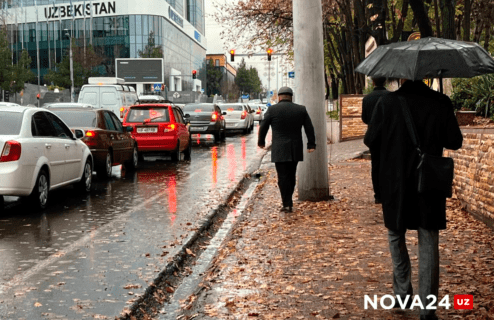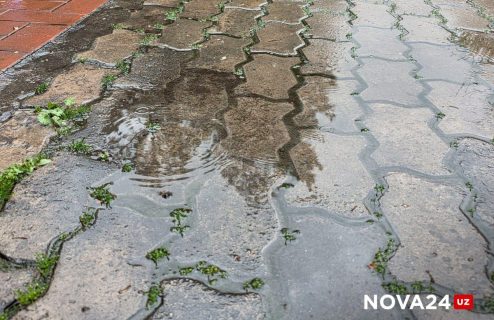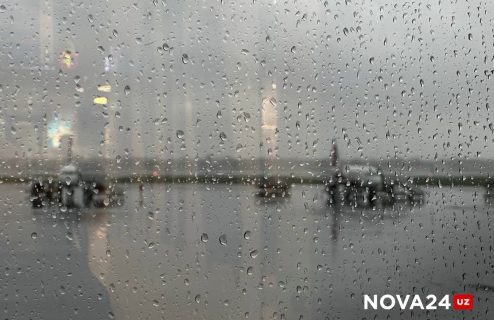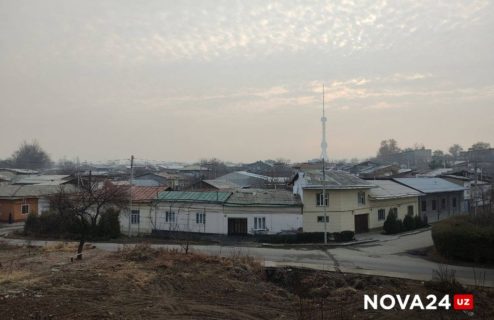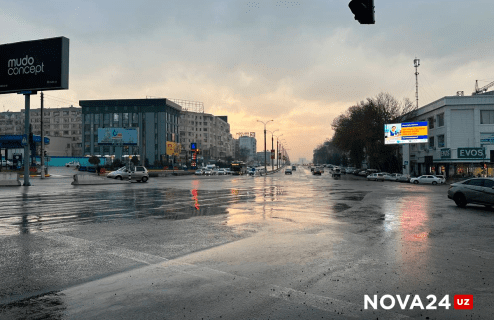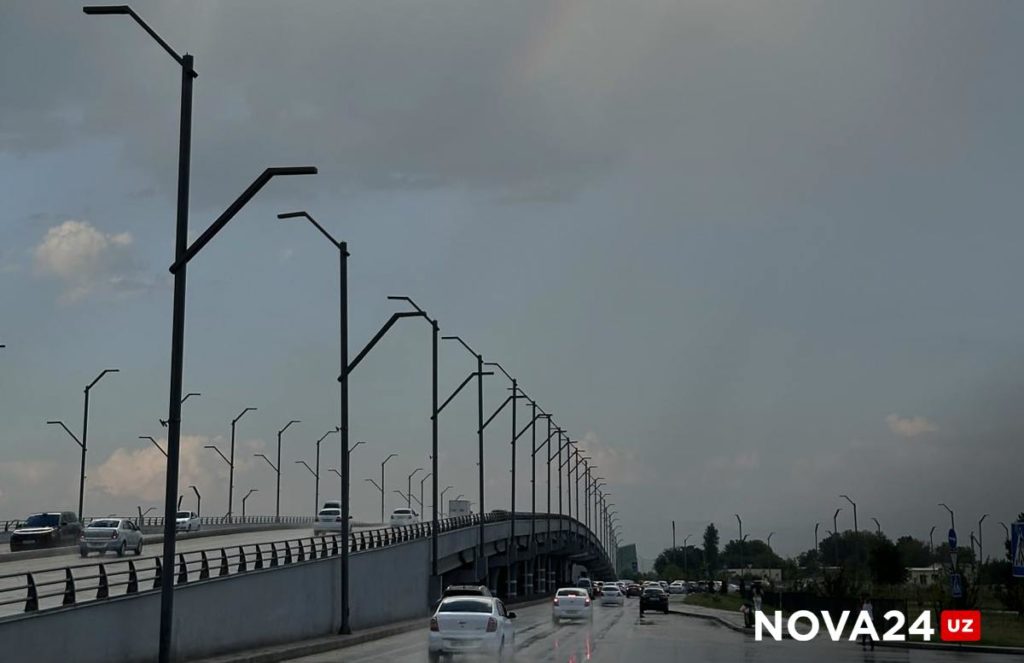
Bad weather may persist in Uzbekistan until December 24th, according to the press service of the Hydrometeorological Center.
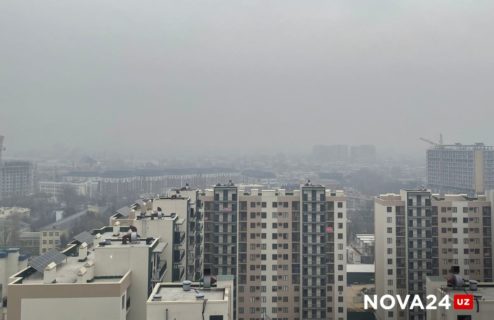
The department reported that recently there has been an increase in the number of fine particulate matter in the country and especially in Tashkent. According to the results of ongoing monitoring conducted by Uzhydromet, this situation is related to several natural factors that have intensified simultaneously:
- The first factor is the sharp change in temperature and inversion. This week, the air temperature changed rapidly. During the transition from hot to cold days, a natural process called inversion occurs. During inversion, the cold air remains below, the warm air remains above, and the air layers do not mix. Therefore, finely dispersed particles accumulate in the lower layer of air, and their concentration increases sharply in a short time. This process is observed in such cities as Tashkent, Almaty, Bishkek, Dushanbe, annually from November to February.
- The second factor is the absence of precipitation. According to our forecasters, there has been virtually no rain in Tashkent since the beginning of November, and the amount of precipitation is significantly below the climatic norm. The absence of precipitation prevents the natural washing away of finely dispersed particles from the air and leads to their long-term preservation in the atmosphere.
- The third factor is the intensification of arid processes and natural pollination. Uzbekistan is located in a natural arid and semi-arid climate. UN experts note that this region is one of the places in the world where arid processes occur most intensively. Under the influence of arid processes, shrinking vegetation cover, and global warming, wind-induced natural pollination is increasing. Therefore, this year, the pollination was more pronounced than usual, even on days with weak winds, which led to an increase in the PM10 indicator.
According to forecasters, the ongoing inversion process may continue until November 24. Until then, the preservation of finely dispersed particles to a certain extent is a natural and seasonal phenomenon. Further, as the weather stabilizes, the air quality will significantly improve. Currently, local authorities, utilities, and responsible agencies are carrying out the following practical work to address the problem:
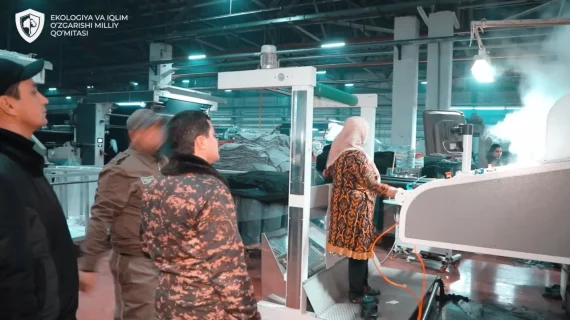
- moistening of streets and roads; additional watering of green spaces;
- wet cleaning of public places;
- providing recommendations to the population;
- constant monitoring of the state of atmospheric air.
Specialists also stated that the observed situation is natural, temporary, and seasonal. In this regard, all authorized state bodies constantly monitor the situation in their territories and, if necessary, implement specific organizational measures.
Earlier, forecasters presented a seasonal weather forecast for the coming winter. The winter is expected to be warm, with two out of three months expected to be warmer than normal.