Uzhydromet published up-to-date data on the level of allergens in the air of Tashkent and the regions of Uzbekistan.
The assessment is carried out by the International Center for Molecular Allergology under the Agency for Innovative Development. From December 8th to 14th, an “extremely large” number of mold spores were detected in Tashkent.
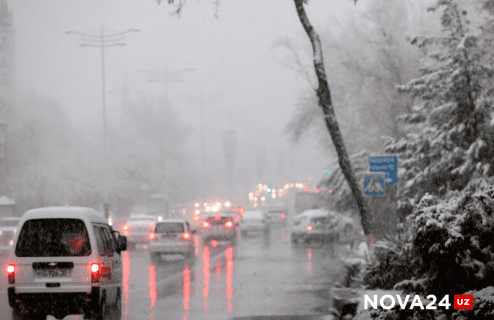
The situation is related to prolonged precipitation, cloudiness with overlapping sunlight, increased humidity, fog, and inversion. The situation does not pose a significant threat to the population, however, an increased concentration of spores can negatively affect the well-being of allergy and asthmatics.
This is precisely an allergenic load, not an epidemic of “dangerous fungi” infection.
An extreme concentration of fungal spores was recorded in the Kashkadarya region, and “average” spores were recorded in the Samarkand and Surkhandarya regions.
No allergens from trees and shrubs were detected, and the content from herbaceous plants was insignificant. The concentration of spores decreases when the weather gets cold and the wind intensifies.