Starting December 10th, an experiment to implement the “Electronic Prescription” system on the DMED platform will be launched in Tashkent and 15 other cities, according to a Cabinet of Ministers decree.
According to the document, it is planned to connect all medical institutions and pharmacies of the country to the system by the end of 2026. From January 2027, the complete transition to electronic prescriptions will become mandatory.
The system will work as follows: the patient undergoes an appointment with a doctor who enters prescriptions into the electronic medical record. Based on these data, a prescription with a QR code and an electronic signature is formed. When applying to the pharmacy, the pharmacist checks the prescription and records the dispensing of the medication in the system. If necessary, the doctor can print the prescription on paper.
For patients after admission to the hospital, prescriptions are issued for the medications indicated in the discharge or medical history, with mandatory indication of the timing of administration. The prescription will contain:
- information about the medical organization and the license;
- information about the patient (PINI, full name, date of birth);
- diagnosis according to ICD;
- name of the medication, dosage, regimen, and duration of administration;
- prescription number and date of issue;
- data of the attending physician.
Only medications registered in Uzbekistan are permitted. Pharmacists record the series, expiration date, and batch of the medicine. Doctors will be able to track the movement of medications online. Electronic prescriptions are not issued without medical indications for unregistered medications (except for orphans) and anesthetic agents.
Control over the correctness of prescriptions in medical institutions is entrusted to the Ministry of Health, and in pharmacies — to the Center for the Safety of Pharmaceutical Products. A mechanism for accounting for potent and psychotropic drugs is planned to be developed by January 1, 2027.
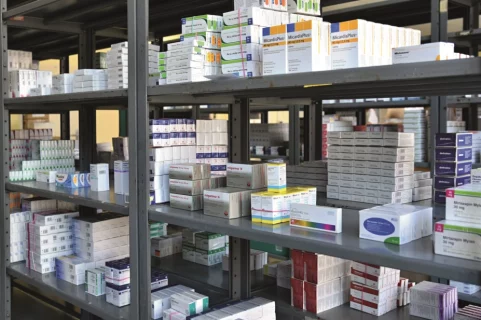
As of December 9, 12,817 prescription drugs, including antibiotics, hormones, psychotropic drugs, as well as analgin, diclofenac, ascorbic acid, 70% ethyl alcohol, and lidocaine, have been registered in the country. The Ministry of Health notes that the new system will reduce the number of cases of unjustified prescription of medicines, limit polypragmasy, increase market transparency, and identify the circulation of smuggled goods.
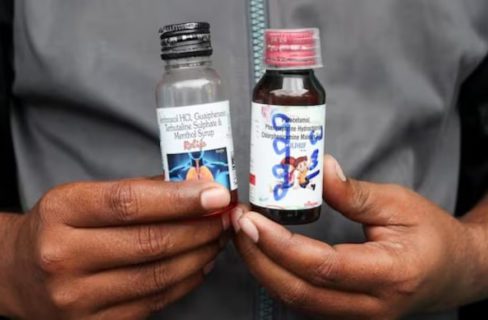
As a reminder, over a hundred citizens in Uzbekistan have died due to dangerous medications. The deputies adopted a draft law that will strengthen the responsibility for illicit drug trafficking.