Uzhydromet recorded an “extremely high” content of mold spores in the air of Tashkent.
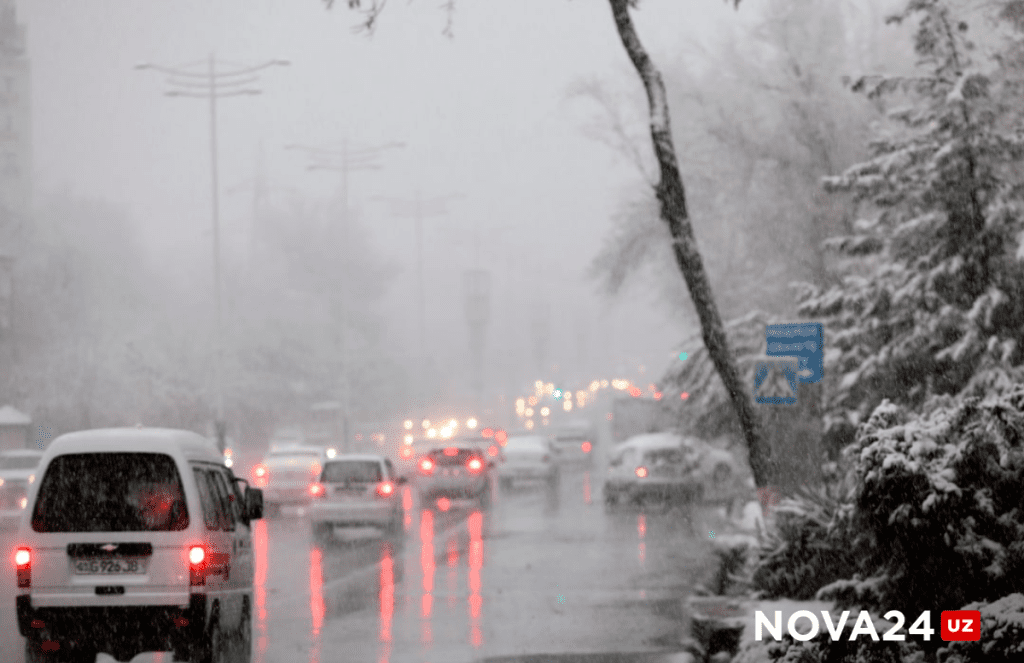
The situation arose due to prolonged rainfall and increased humidity. According to the data from the pollen trap, during December 8-14, allergenic plants (trees and shrubs) were not detected in 1 m3 of air, herbaceous plant pollen was present in insignificant quantities, and fungal spores were recorded in extremely high quantities.
There is no significant threat to the population, however, an increased concentration of spores can negatively affect the well-being of allergy and asthma patients. Further, the results for the regions showed the following:
- Samarkand region. According to data for December 8-14, allergenic plants (trees, shrubs, and herbaceous plants) were not detected in 1 m3 of air, fungal spores were noted in moderate amounts;
- Kashkadarya region. According to data for December 8-14, allergenic plants (trees, shrubs, and herbaceous plants) were not detected in 1 m3 of air, and fungal spores were recorded in extremely high quantities;
- Surkhandarya region. According to data for December 8-14, allergenic plants (trees, shrubs, and herbaceous plants) were not detected in 1 m3 of air, and fungal spores were noted in moderate amounts.
As a reminder, dust from external regions has become one of the main causes of air pollution in Uzbekistan. Due to fog, cold, and lack of wind, hazardous particles do not disperse.