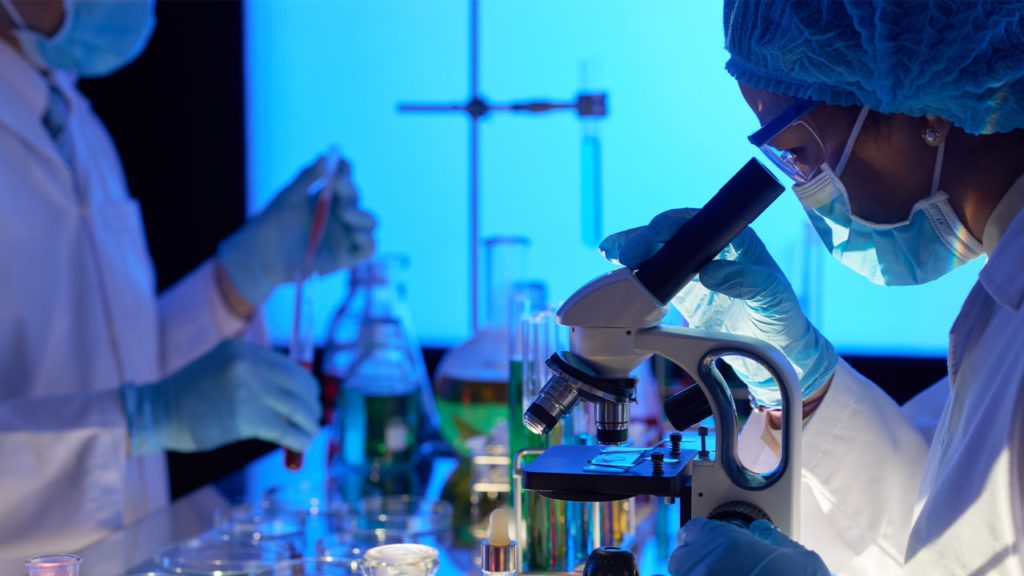
Specialists of the Center for Advanced Technologies under the Ministry of Higher Education, Science and Innovation conducted a large-scale study of the human genome, within the framework of which a number of genetic mutations previously unknown to world science were identified in Uzbekistanis.
According to the information, scientists fully read and analyzed the genes, after which they entered the obtained data into international genetic databases, thus strengthening Uzbekistan’s position in global genomics. During the research, specialists found that every second child who participated in the study had hereditary mutations.

Thus, researchers managed to find out that the predisposition to diseases is inherited. In particular, 86% of children turned out to be carriers of at least one “damaged” gene, which is twice as high as international standards.
Scientists explained this fact by the high level of marriages between relatives in several regions of the country. Thus, in some regions, their share approaches a quarter of all registered marriages. According to experts, such a situation can lead not only to an increase in hereditary diseases but also to a deterioration in the overall health of future generations.
Genetic mutations increase the risk not only of rare hereditary pathologies but also of widespread diseases — diabetes, cardiovascular, and oncological diseases. Consequently, these diseases may not only become more frequent, but also begin to manifest at an earlier age,” the report says.
Scientists emphasized the need for genetic testing of couples before marriage, as well as the inclusion of children in early screening and prevention programs. It is planned that this will help to identify diseases in the early stages and choose adequate treatment.
Also, during their research, specialists were able to establish a precise genetic diagnosis in more than half of the examined patients, which helped doctors choose the right therapy. Furthermore, it was revealed that nearly one-third of the identified mutations had not previously been registered in global science and were now included in international databases. In some children, specialists also found signs of several hereditary diseases simultaneously, which once again confirmed the high level of kinship marriages in the country.
To prevent hereditary diseases and provide genetic counseling, the “1000 Genomes of Uzbekistan” project has been launched in the country, within the framework of which scientists will create a genetic map of the population and form a national biobank. It is planned that in the future, the obtained data will become the basis for the development of personalized medicine, the development of new medicines and accurate screening programs.
It should be noted that earlier the president also drew the authorities’ attention to marriages between close relatives, as well as early marriages, and emphasized that such situations should cause concern at all levels of state governance and society as a whole. The country’s leader reminded of the importance of holding special events for young people and explaining that creating a family is a great responsibility not only for oneself but also for one’s partner and children.
As a reminder, over one hundred girls under the age of 18 have been married off in Uzbekistan. Marriages between relatives are also being registered.