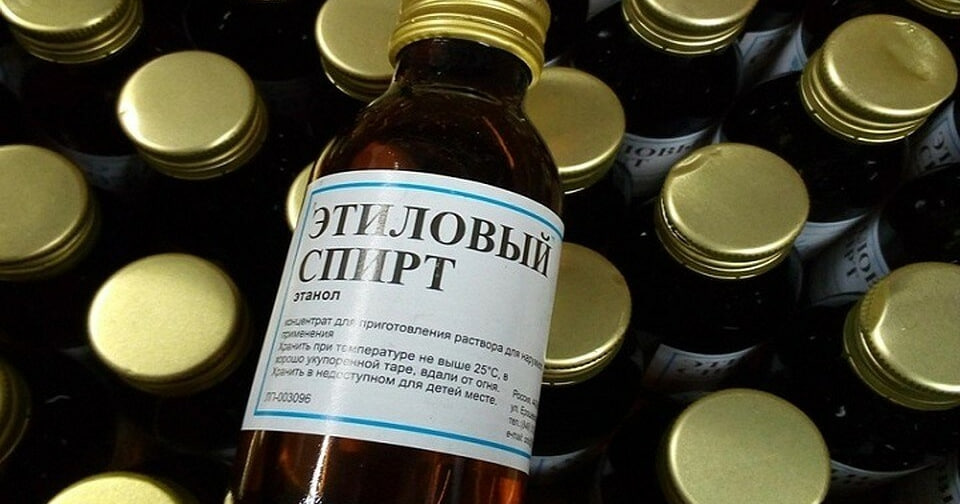
In Uzbekistan, 20% of pharmacies issued lotions instead of medical alcohol, for which the Competition Committee sent an appeal to the Center for Pharmaceutical Safety, the Committee’s press service reports.
According to the department, there are complaints from citizens about pharmacies. It is reported that employees sold lotion to citizens instead of alcohol. In this regard, the Committee for the Development of Competition and Consumer Protection, within the framework of the “Mystery Shopper” event, studied the state of sale of alcohol-containing products in pharmacies.

During the study, more than 20 pharmacies were covered, and about 25% of them were found to be dispensed with lotion instead of medical alcohol when consumers requested alcohol. At the same time, during the period of implementing GDP certificates in the production of medicines and strengthening quality control, individual alcohol producers did not receive licenses and began the production of lotions.
Consumers were not provided with complete information about this fact, which led to their being misled. It is known that 70% medical alcohol is widely used in healthcare, particularly for:
- skin treatment before injections;
- sterilization of tools and equipment;
- treatment and treatment of wounds;
- used in surgical interventions.
Lotion is a cosmetic product with a lower alcohol content and is mainly intended for:
- cleansing of the skin and reduction of excess fat;
- removal of residual cosmetic products.
In this regard, offering a lotion instead of medical alcohol may not yield the expected result and may harm consumers’ health. This situation, in turn, leads to the provision of unreliable information to consumers and, as a consequence, to causing them harm.
The Committee for the Development of Competition considers the indicated facts as signs of violation of the requirements of the current legislation on consumer protection. This may lead to the initiation of a corresponding case against pharmacies. In order to prevent such cases, a corresponding letter was sent to the Center for the Safety of Pharmaceutical Products.
As a reminder, the public catering establishment warned visitors not to make additional payments. The Consumer Rights Protection Committee responded to citizens’ complaints.