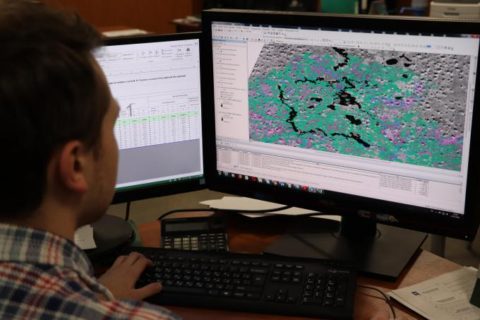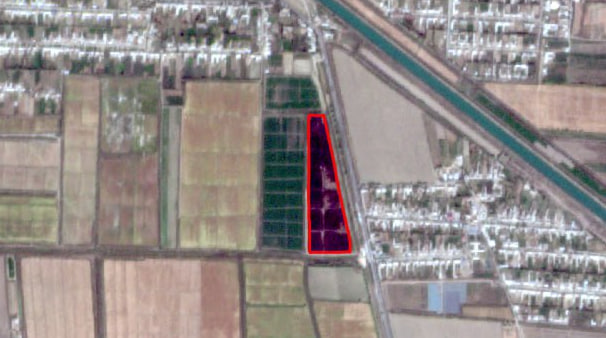
In Uzbekistan, thanks to the monitoring conducted by the Uzbekcosmos Agency, dozens of cases of illegal burning of straw residues in fields freed from harvesting have been identified, the agency’s press service reports.
According to the information, specialists identified 38 such cases, resulting in damage to 500.3 hectares of land. It is noted that the most cases were recorded in the Syrdarya region — 30 cases, which caused damage to 421.9 hectares, as well as in the Tashkent region, where 8 cases were identified, causing damage to 78.4 hectares of land.

It was noted that burning rice straw creates very serious environmental problems, as at this point, a large amount of carbon dioxide, carbon dioxide oxides, and harmful substances are released into the atmosphere, similar to coal burning.
This leads to air pollution and accelerated climate change processes. For residents of nearby settlements, such a practice is especially dangerous, as it increases the risk of respiratory diseases. Moreover, microorganisms living in the upper layer of the burned earth’s surface die. This leads to a decrease in yields in the next season, a decrease in natural humus, and a decrease in the biological activity of the soil,” the report said.
The department also emphasized that attempts to quickly and inexpensively burn the areas freed from rice harvesting from the remaining straw can result in fines of up to 10 BCV (4.12 million soums), and in case of significant damage, criminal liability.
Earlier, it was reported that tens of thousands of hectares of fields in Uzbekistan were burned to clear after harvest. The Tashkent region recorded the highest number of cases.