The Ministry of Ecology published data on combating air pollution from coal and fuel oil burning.
Working groups have been formed to assess the activities of industrial enterprises, thermal and power plants, greenhouses, and other facilities that release pollutants into the atmosphere. The working groups included 748 responsible employees from environmental, energy, tax service, MES, MIA, khokimiyats and other structures.

There are 388 Category I and II industrial enterprises in Tashkent, 845 in Tashkent region, a total of 1,233 — they consume 5.3 million tons of coal per year. Of these, 838 (Tashkent city — 361, Tashkent region — 477) have been equipped with filters. 3 out of 7 thermal power plants and 9 heating plants are fully powered by natural gas, while the remaining 6 operate on natural gas and fuel oil.
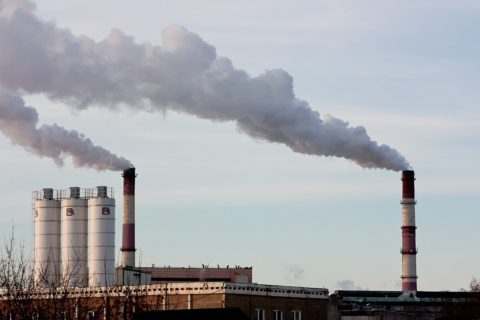
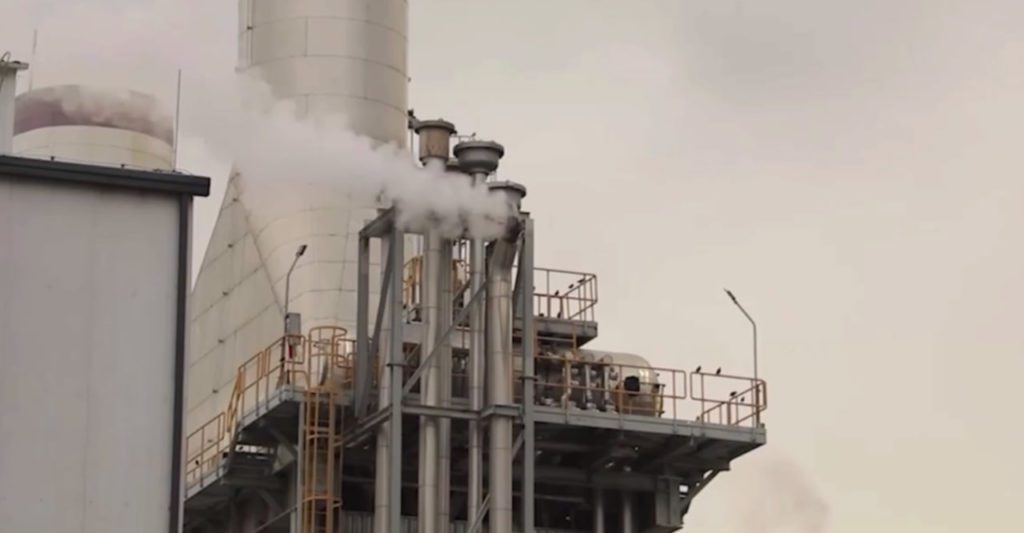
Nine boiler houses and TashTPS lack filters, burning 262 thousand tons of fuel oil last winter. As a result, 7 thousand tons of pollutants were released into the atmosphere.
The Angren and New-Angren Thermal Power Stations in the Tashkent region burn 5 million tons of coal per year, of which only 70% passes through filters. This leads to the emission of 135 thousand tons of pollutants.
It was decided to accelerate the implementation of the program for the installation and renewal of filters at boiler houses and power plants in Tashkent and Tashkent region, reducing the deadlines from 2028 to September 2026. As a result, the cleaning efficiency level reaches 95-99%.
Burning coal causes significant damage to the atmosphere. When 1 ton of coal is burned, 1-5 kg of dust particles (PM2,5, PM10), up to 100-300 kg of ash, 5 kg of nitrogen oxides, 30 kg of sulfur oxides, and other pollutants are released into the air. On average, 8-9 tons of coal are used for heating a 4-sotka greenhouse per season. Mazut, whose name literally means “residual waste”, is the last fraction obtained during oil refining. In the context of climate change and modern environmental requirements, the approach to its use is being fundamentally revised, – Ministry of Ecology.
Earlier, it was reported that a fight against stench and air pollution had begun in Tashkent. Environmental inspectors have already begun raids on greenhouses that regularly burn tires during the autumn-winter period. Also, Tashkent will be rid of harmful enterprises: they will be transferred to the region. New industrial zones will be created on vacant lands.