Report: Nicotine pouches ban hinders smoking fight in Germany
Experts emphasize that this stimulates the growth of illegal circulation and counterfeit goods.
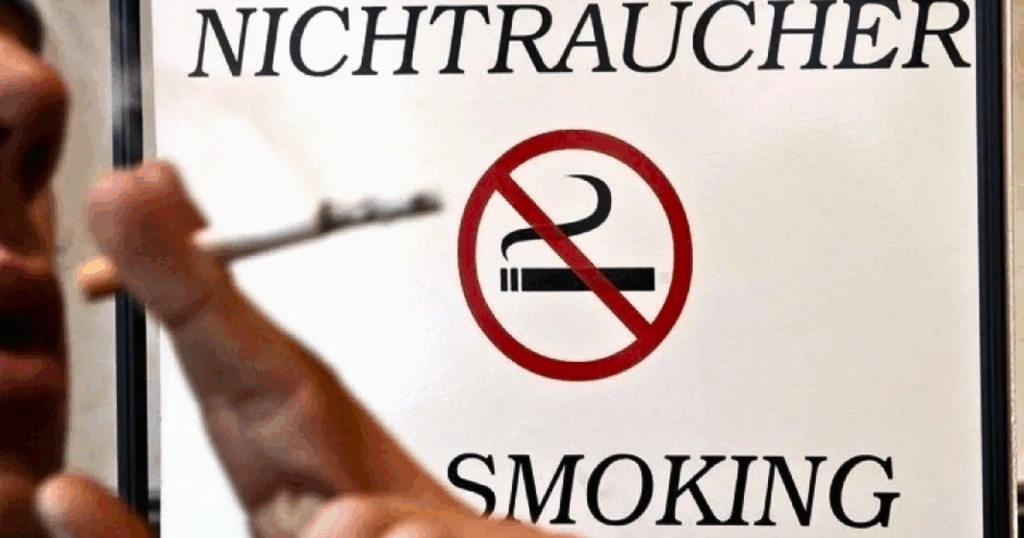
In Germany, there are over 17 million smokers — more than in any other European country, and smoking-related diseases are the main causes of death, taking away nearly 100,000 people annually. Reducing the number of smokers, according to the authors of the new report of the international organization Prohibition Does Not Work, should be a priority of state policy. However, the existing legislative and regulatory framework, according to their assessment, does not contribute to quitting smoking and effectively deprives millions of people of access to smoke-free alternatives.
Since 2021, Germany has effectively banned nicotine spiders classified as “food products”. This approach, researchers note, has led to the growth of the illegal market: according to the report, more than a million people continue to use such products, but already outside the controlled legal field. As a result, the state loses tax revenue, and supervisory bodies lose the ability to monitor product quality and age restrictions. Similar restrictive measures are being introduced in France, where a ban on nicotine bags will also come into effect from March 2026.
In Uzbekistan, a ban on the circulation of nicotine spiders (nicotine snus) has also been introduced since May 2024. According to law enforcement agencies, despite the measures taken, the volume of illegal trade continues to grow. Over the past year alone, more than 26 thousand packages of nicotine products (including snyus and pauch) with a total value of about 2 billion soums were confiscated.
The authors of the report emphasize: the policy of prohibitions does not reduce the level of consumption, but stimulates the growth of illegal turnover and counterfeiting. At the same time, a high level of nasway use persists in the domestic market of Uzbekistan — more than 2 million people, which, according to experts, is associated with a high content of toxic metals and the risk of cancer, kidney, and neurological diseases.
The experience of countries with progressive regulation, such as Sweden, Great Britain, and the Czech Republic, shows that controlled access to less harmful nicotine products contributes to a decrease in smoking levels and a reduction in health damage. According to experts, the formation of a scientifically based regulatory policy could help countries, including Uzbekistan, reduce the scale of the illegal market and increase the effectiveness of combating the consequences of tobacco smoking.

























Comments