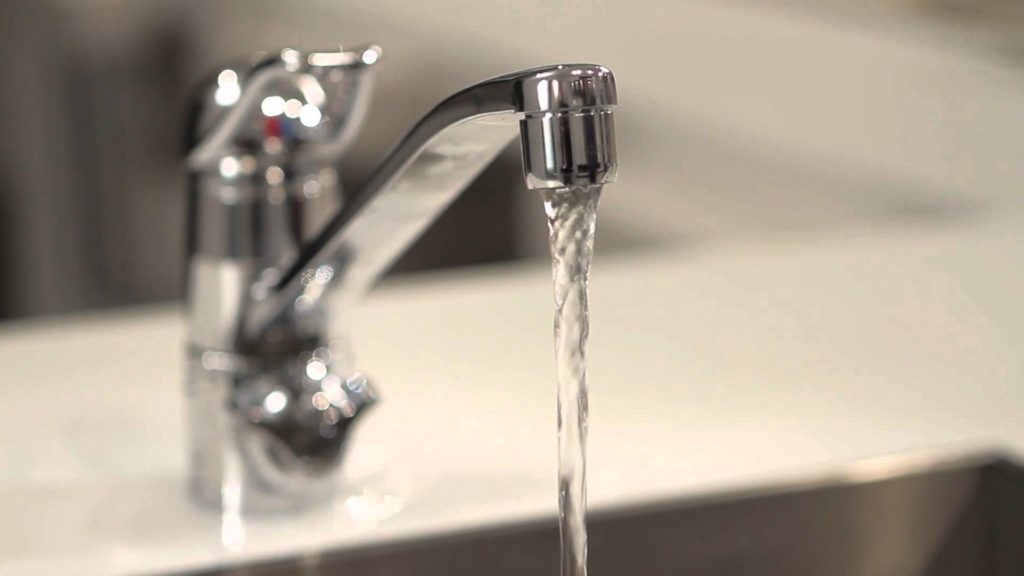
In Tashkent, the level of provision of the population with drinking water reached 98.6%, and with central sewerage, UzA reports.
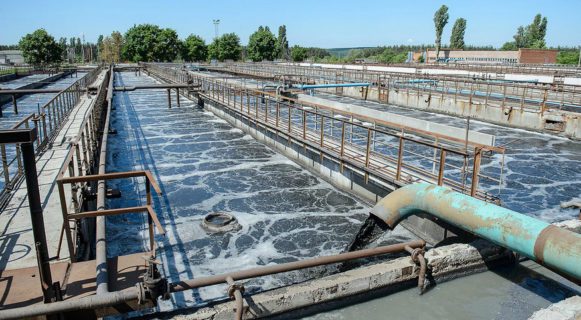
The press service of “Toshkent shahar suv ta’minoti” reported that 672 million cubic meters of water passed through the treatment system during the year. It is noted that through the network, the total length of which exceeds four thousand kilometers, the resource has been delivered to more than 771 thousand consumers. In addition, “Salar”, “Bozsu” and “Bektemir” treatment plants received and processed 556 million cubic meters of wastewater.
In the context of regions, 11 kilometers of new pipes were laid in 5 mahallas of the Yunusabad district, providing access to the central sewage system for 4.1 thousand residents. In the Yangikhayot district, the digitalization of water accounting continues. In partnership with the French company SUEZ, specialists have already installed 50 thousand smart meters.
The project, designed until 2031, should allow real-time monitoring of consumption and prompt detection of leaks. In addition, specialists began to use solar energy. It is noted that the photo panels installed at the main facilities of the enterprise allow saving more than 1 million kilowatt-hours of electricity per year.
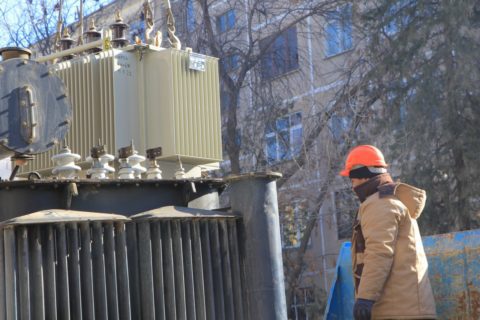
Also, specialists reported that in preparation for the current autumn-winter season, about 60 kilometers of water supply and sewerage networks were repaired in the capital, and 25 thousand accidents were eliminated. The company’s further plans include connecting new neighborhoods to a centralized sewage system, extensively replacing old pumps with modern energy-efficient units, and continuing to renovate worn-out pipe sections to reduce the risk of accidents.
Earlier, it was reported that the production of electricity at hydroelectric power plants in Uzbekistan had decreased. The head of the Ministry of Energy called water scarcity the main reason for the decline in production.