Experts explained what is polluting Tashkent’s air
Contaminated air can cause respiratory problems and impair lung function, especially in children and the elderly.
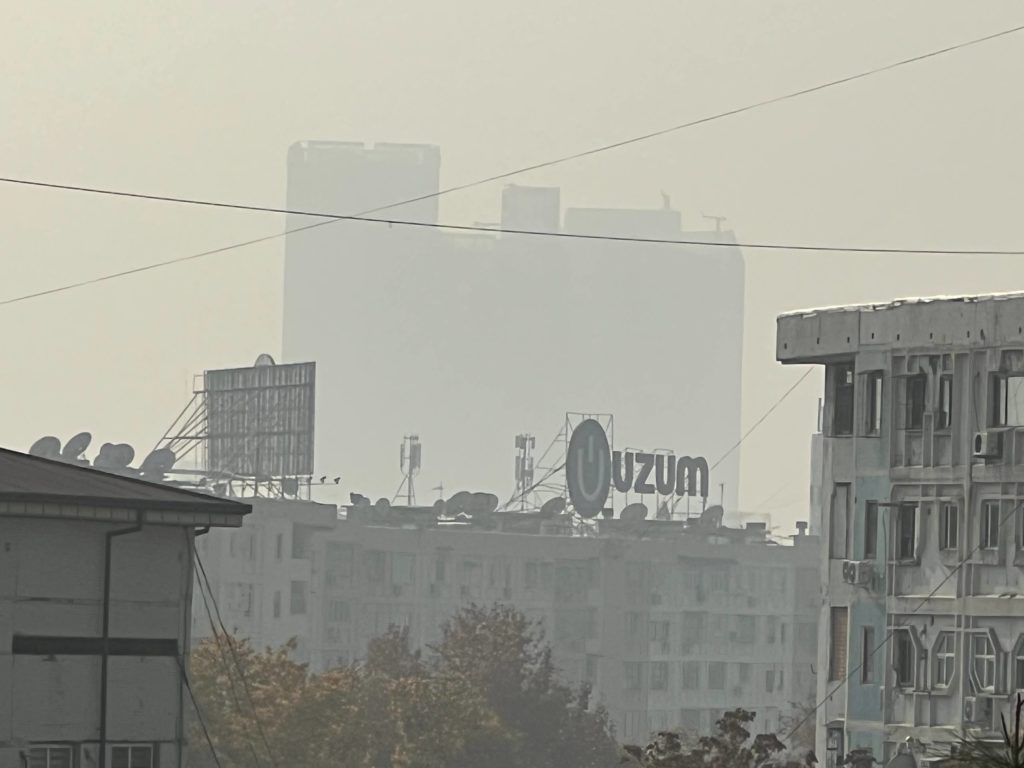
IQAir specialists spoke about what is polluting Tashkent’s air and gave recommendations on how to protect yourself.
In the capital, very poor air quality is observed, the AQI index exceeds 200, and PM2.5 concentrations predominate. Such conditions can cause respiratory problems, worsen heart diseases, and impair lung function, especially in children, elderly people, and those with weakened health.
To protect yourself during this temporary outbreak, limit your exposure to the open air, close your windows, wear masks if you go outside, and use air purifiers indoors to breathe more cleanly, — the statement said.
Air quality is dynamic and, like the weather, can change frequently. As of Thursday afternoon, Tashkent was ranked 3rd among the world’s major cities in terms of air pollution, and nearby cities like Samarkand were also affected.
The average concentration of PM2.5 in Tashkent in 2024 was 31.5 μg/m³, which corresponds to AQI 92 (Moderate), which is approximately 6.3 times higher than the WHO annual norm of 5 μg/m3. This suggests that despite some daily improvements, the overall pollution level in the city remains a serious concern.
Daily forecasts show that air quality in Tashkent has remained at an unhealthy level since the beginning of November, rising to “very unhealthy” levels over the past two days. The situation is expected to improve over the weekend and next week. The air pollution in Tashkent is due to a combination of natural and anthropogenic sources.
In summer, about 36% of PM2.5 pollution comes from wind-blown dust, which is due to the arid climate adjacent to the desert and the surrounding mountains that trap particles. Heating systems, especially in winter, contribute approximately 28% of PM2.5 by burning coal and fuel oil, including those used in greenhouses and residential areas.
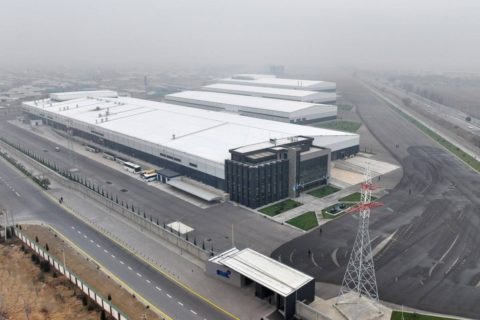
Transport emissions add about 16%, mainly from aging vehicles and low-quality fuel that releases significant amounts of solid particles and carbon black. Industrial and energy activities, including factories and power plants, contribute about 13% to PM2.5 pollution.
Seasonal factors such as temperature inversions, weak winds, and stagnant phenomena further worsen air quality, trapping pollutants near the ground.
Read also: How to protect yourself from dirty air? The NOVA24 editorial team has brought up-to-date tips amid the daily increase in dust concentration.

























Comments