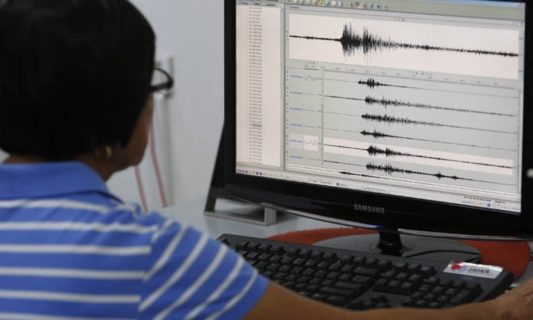
Uzbekistan Airports explained why a plane from Moscow went to the second circle during the earthquake in Tashkent on the night of October 6.
During the approach for landing, following the air traffic controller’s instructions, the aircraft performed a go-around. This decision is a standard safety procedure. After completing an additional circuit, the plane safely landed at Tashkent airport at 01:50 local time.

“Second lap” is a delayed attempt to land after the current lap is interrupted. During an earthquake, the following can occur:
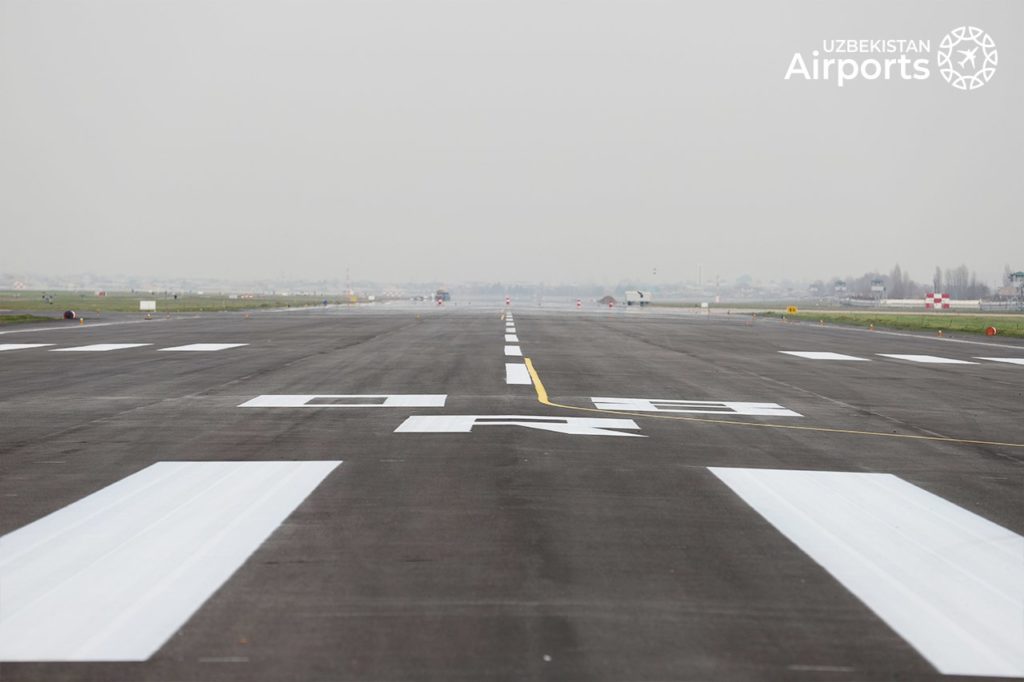
- cracks in the strip, displacements, scattering — and then the strip may be unsuitable;
- displacement and damage of radar, meteorological and light signal equipment;
- fragments, collapses, obstacles;
- communication or navigation system failures.
If underground tremors are felt during the approach, the pilot or dispatcher may decide to interrupt the maneuver and proceed to the second circle. This measure ensures the safety of the airfield and gives ground services time to check the condition of the runway and equipment.
After the earthquake, the relevant service personnel promptly inspect the runways, taxiways, and the equipment installed at the airfield for potential damage. Until the completion of the inspection, temporary restrictions are imposed on the acceptance and release of aircraft, and after confirmation of the aerodrome’s suitability, flights are resumed in normal mode. Retreating to the second circle during an earthquake is not just a logical safety measure, but the norms enshrined in ICAO international rules and standards, International Aviation Handbooks, airlines’ internal documents, air traffic controllers’ instructions, and safety guidelines for airports, — explained the Uzbekistan Airports Aerodrome Operations Department.
Thus, there is no separate rule prescribing going into the second circle during an earthquake. However, general safety regulations apply: if unstable or potentially hazardous conditions arise during the approach, the crew must interrupt the approach and perform the standard second-round departure procedure.